
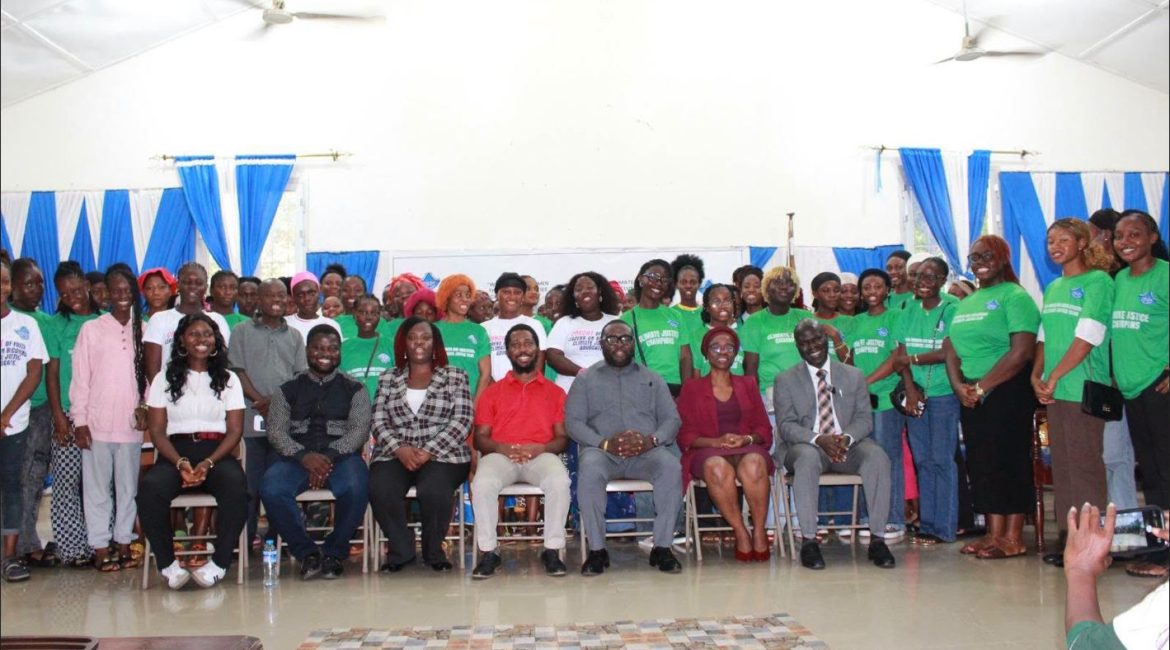
Brewerville, Montserrado County – July 23, 2026 – The Environmental Protection Agency (EPA) has officially launched the Adolescent Girls’ Community- and Campus-Based Climate Justice Clubs, a new initiative aimed at empowering adolescent girls and young women to become leaders in climate action and environmental protection.
The initiative, organized by Her Voice Liberia, was launched at the Lotty Carey Baptist Mission School in Brewerville, on Fridakunder the theme, “Localizing Liberia’s NDC 3.0 through Young Women Climate Justice Clubs in Rural Montserrado.”
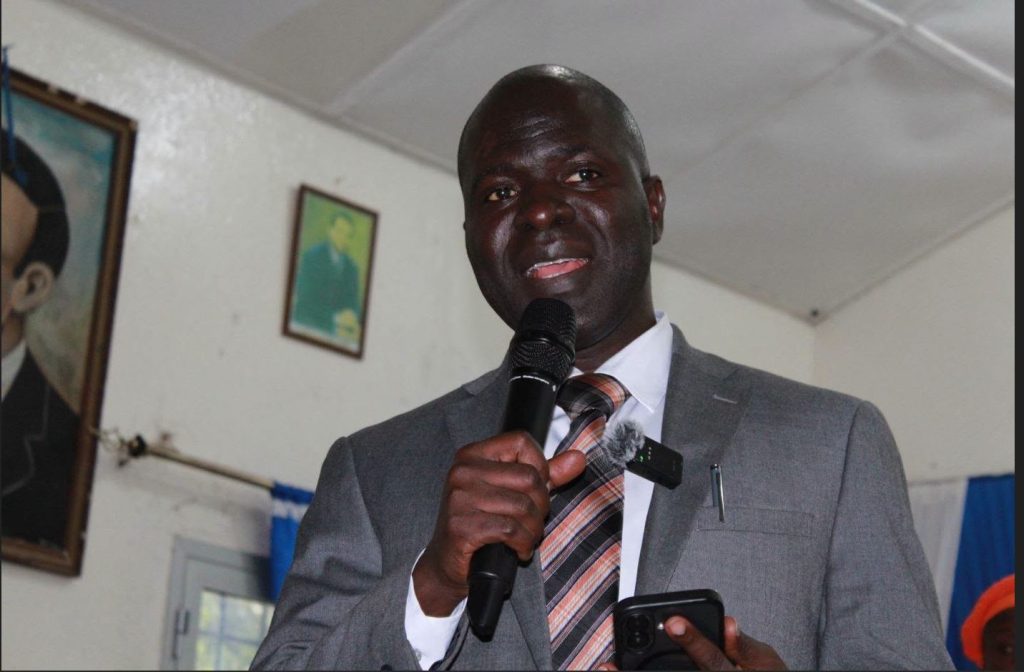
Officially launching the clubs, EPA Executive Director Dr. Emmanuel K. Urey Yarkpawolo said Liberia’s climate commitments can only be achieved if they move beyond government policies and become part of everyday life in schools, communities, farms, markets, businesses, and homes.
“Our climate commitments must move from national documents into our schools, communities, farms, markets, businesses, and homes,” Dr. Yarkpawolo said.
He explained that Liberia’s Nationally Determined Contributions (NDC 3.0) serve as the country’s national climate action plan and aim to reduce greenhouse gas emissions while helping communities adapt to the growing impacts of climate change.
According to Dr. Yarkpawolo, Liberia is already experiencing flooding, coastal erosion, extreme heat, unpredictable rainfall, crop losses, and other climate-related challenges that continue to affect people’s health, livelihoods, and food security.
Despite these challenges, he said climate action also presents opportunities for young people to build successful careers and businesses while protecting the environment.
“Climate action is not only about danger. It is also about opportunity. It can create green jobs that provide income while protecting or restoring the environment,” he said.
The EPA Executive Director encouraged members of the Climate Justice Clubs to explore opportunities in recycling plastic waste into useful products, producing organic compost, operating tree nurseries, practicing climate-smart agriculture, installing solar energy systems, keeping bees, and educating their communities on environmental protection.
He also encouraged them to use technology to support climate action by sharing weather information, documenting illegal dumping, mapping flood-prone communities, and raising awareness through social media.
Dr. Yarkpawolo challenged every Climate Justice Club to identify one environmental problem in its community and develop one practical project to solve it.
“Innovation does not always begin with large funding. It begins with open eyes, a willing heart, and the courage to solve a problem,” he said. “Start small, organize yourselves, document your work, and measure the results.”
He reminded the girls that they should not see themselves only as victims of climate change but as innovators, entrepreneurs, educators, and future leaders.
“Never underestimate what disciplined young women can accomplish,” he added.
Dr. Yarkpawolo also stressed the importance of integrity and accountability, describing them as the foundation of climate justice.
He said climate justice means ensuring that women, girls, low-income families, persons with disabilities, and vulnerable communities are not left behind in climate action and have equal access to opportunities and resources.
“We cannot demand justice from society while refusing to practice it ourselves,” he said, urging members of the clubs to manage resources honestly, keep proper records, and remain accountable in all their activities.
Highlighting the EPA’s work, Dr. Yarkpawolo said the Agency has strengthened environmental compliance monitoring across Liberia and taken action against illegal mining, pollution, wetland destruction, and the misuse of harmful chemicals.
He added that the EPA has expanded environmental monitoring beyond Monrovia, strengthened its scientific capacity through a modern environmental laboratory, and continues to advance climate finance, renewable energy, coastal protection, waste management, early warning systems, and the implementation of Liberia’s NDC 3.0.
Addressing the girls directly, Dr. Yarkpawolo encouraged them not to allow their age, gender, or background to limit their dreams.
“Do not only discuss climate justice—demonstrate it,” he urged. “Plant trees. Reduce plastic pollution. Create green businesses. Speak against environmental violations. Hold leaders accountable, and accept accountability yourselves.”
He described the launch of the Climate Justice Clubs as the planting of an important seed that has the potential to grow into a nationwide movement of informed, courageous, innovative, and principled young women leading climate action across Liberia.
Dr. Yarkpawolo then officially declared the Adolescent Girls’ Community- and Campus-Based Climate Justice Clubs launched, expressing confidence that the initiative will help build a new generation of environmental leaders committed to protecting Liberia’s environment and promoting sustainable development