
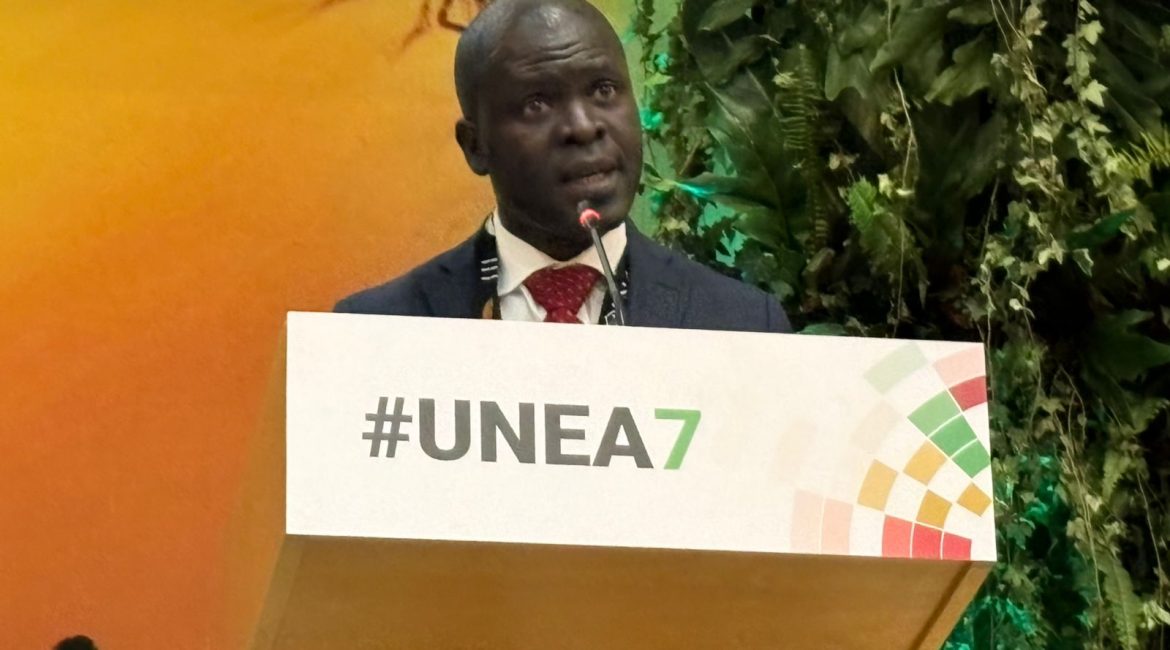
Nairobi, Kenya — Liberia urged decisive multilateral action to confront the intertwined crises of climate change, biodiversity loss, and pollution at the United Nations Environment Assembly (UNEA-7) on December 11, 2025, framing the moment as a test of global solidarity and leadership.
Delivering the national statement, Dr. Emmanuel K. Urey Yarkpawolo, Executive Director of the Environmental Protection Agency of Liberia, hailed Kenya’s stewardship of the summit and warned that planetary threats are already “lived realities.” He outlined Liberia’s domestic push to safeguard forests, strengthen climate resilience, and curb environmental degradation, highlighting the country’s Third Nationally Determined Contribution as its most ambitious climate pledge to date. Though Liberia’s emissions are small, he said, its determination is “mighty.”
Dr. Yarkpawolo called on UNEA-7 to chart a bold course that keeps warming within 1.5°C, reverses biodiversity loss, protects wetlands and coastlines, preserves glaciers, and tackles pollution in all forms. He urged member states to pair ambition with implementation finance, pressing donors and multilateral banks to simplify access to climate and nature funds, align lending with resilience goals, and scale support for adaptation. Partnerships with the private sector, he added, should include strong safeguards and local benefit-sharing.
Liberia placed intact tropical forests and frontline communities at the heart of global progress. The next phase of implementation, Dr. Yarkpawolo said, focuses on measurable outcomes: expanding protected and community-managed areas, upgrading forest monitoring and enforcement, and channeling climate finance directly to local stewards. Along the coast, where communities face sea-level rise and erosion, Liberia is prioritizing mangrove restoration and nature-based defenses alongside resilient infrastructure.
On technology, the EPA chief backed responsible, ethical use of artificial intelligence to accelerate environmental monitoring, early-warning systems, conservation, and community empowerment—guarded by human values, equity, and sustainability. Liberia signaled support for UNEA-7 frameworks that promote beneficial AI while addressing privacy, bias, and access disparities.
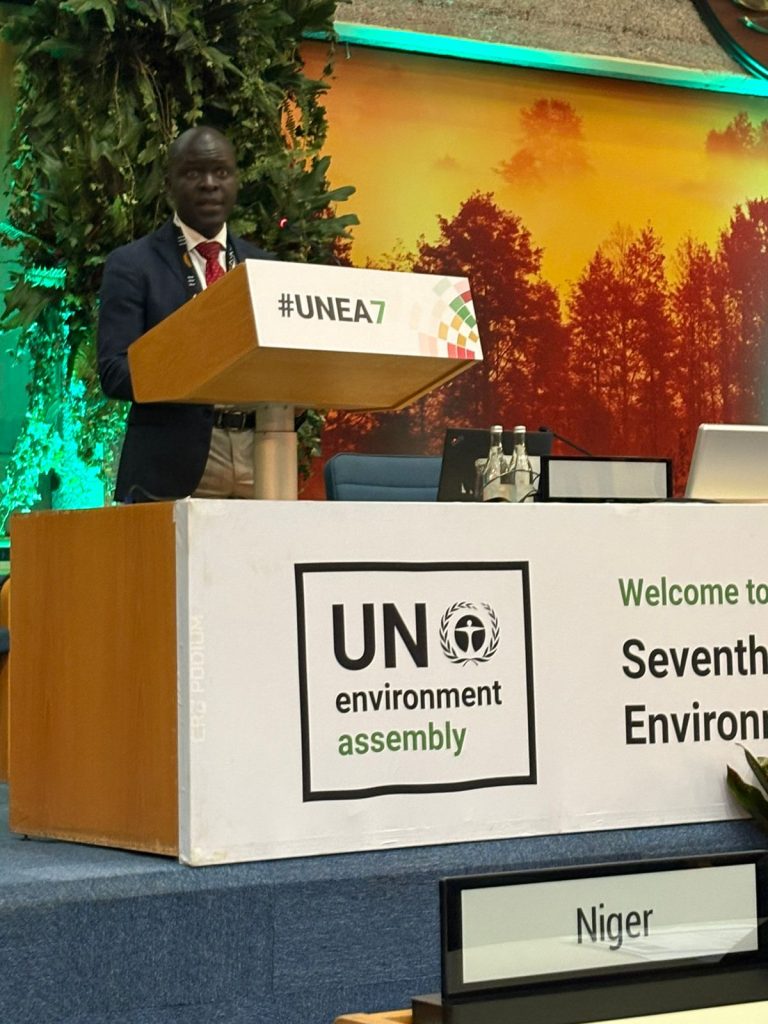
Inclusion was a central theme. Dr. Yarkpawolo urged the Assembly to embed the leadership of women and girls, persons with disabilities, local communities, Indigenous Peoples, youth, and children in decision-making, asserting that these groups are “essential to the solutions we seek.” He called for participatory monitoring, open environmental data, and accountability mechanisms to build trust and speed delivery.
Delegates in Nairobi are considering resolutions spanning chemicals and waste, climate-health links, nature-positive economies, and AI governance. Liberia’s message echoed a growing consensus: integrated, justice-centered action is the only credible path to meeting 2030 goals. “The time for bold leadership is now,” Dr. Yarkpawolo concluded, reaffirming Liberia’s commitment to multilateralism and to working “hand-in-hand with all nations” for a safer, fairer, and more resilient future.