
Paynesville, February 3, 2026_The Environmental Protection Agency of Liberia (EPA) has announced a series of new measures aimed at strengthening the protection of the country’s wetlands.
The measures include plans for a proposed US$3.2 million Wetlands Protection Program, the planned employment of youth as wetlands security officers, the removal of illegal structures, the installation of barriers to prevent encroachment, the restoration of degraded wetland areas, the creation of protected mangrove parks, and the use of drones for monitoring and documentation.
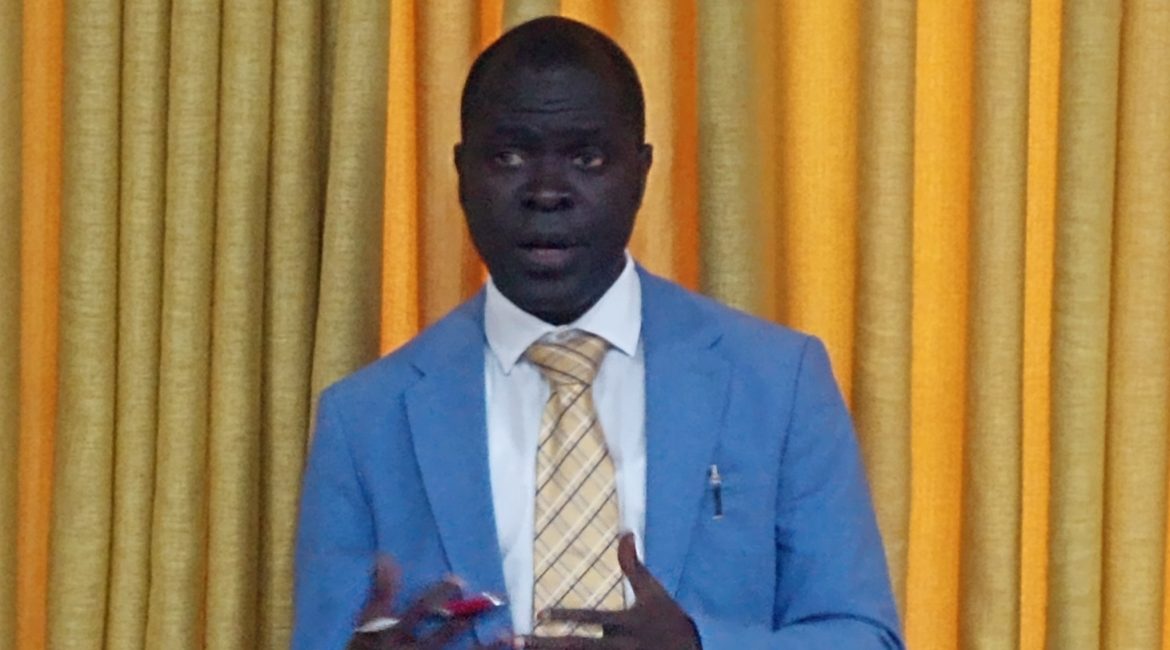
The announcement was made on Monday, February 2, 2026, by EPA Executive Director, Dr. Emmanuel K. Urey Yarkpawolo, during the celebration of World Wetlands Day at the Mesurado Wetland along the SKD Boulevard near the John Gbesay Resort in Paynesville, Montserrado County.
Speaking on the implementation of the new measures, Dr. Yarkpawolo said the EPA has already begun removing illegal structures from wetlands and enforcing compliance, but noted that the scale of violations remains a major challenge.
He explained that the proposed US$3.2 million Wetlands Protection Program, once launched, will initially focus on the Mesurado and Marshall Wetlands and will combine enforcement, restoration, and community involvement.
Dr. Yarkpawolo said the program is expected to create jobs for young people as wetlands security officers, restore damaged wetland areas, prevent further encroachment through physical barriers, and establish protected mangrove parks for conservation, education, and eco-tourism.
In his keynote address, Dr. Yarkpawolo described wetlands as among Liberia’s most valuable natural ecosystems and stressed that they should be protected as national assets. He noted that Liberia is endowed with rivers, swamps, floodplains, lagoons, and extensive mangrove systems.
He further explained that mangroves play a key role in protecting coastal communities from flooding, erosion, and sea-level rise, while also storing large amounts of carbon that help reduce the effects of climate change. According to him, wetlands also support fisheries, agriculture, and livelihoods, making them vital to national development.
“Wetlands are closely linked to Liberia’s cultural heritage,” Dr. Yarkpawolo stressed, noting that communities have depended on them for food, medicine, transportation, and spiritual practices for generations. He added that the destruction of wetlands also leads to the loss of culture, history, and identity.
Speaking on the threats facing wetlands, Dr. Yarkpawolo said illegal sand mining, land reclamation, mangrove cutting, waste dumping, and poorly planned urban expansion continue to degrade wetlands across the country. He said these activities have resulted in frequent flooding, loss of fish breeding areas, declining livelihoods, and weakened climate resilience.
This year’s event was held under the theme “Protecting Wetlands, Conserving Cultural Heritage,” and brought together government officials, development partners, traditional leaders, youth groups, community members, and members of the media.
The celebration formed part of Liberia’s nationwide observance of World Wetlands Day following a proclamation by President Joseph Nyuma Boakai, Sr., declaring February 2, 2026, as World Wetlands Day to be observed as a working holiday.
World Wetlands Day is observed annually to promote public understanding of the importance of wetlands and to advocate for their protection amid rising environmental threats. Liberia is a signatory to the Ramsar Convention on Wetlands of International Importance, an intergovernmental treaty adopted on February 2, 1971, in Ramsar, Iran, with global observance beginning in 1997.
In his opening remarks, Mr. Levi Z. Piah, National Focal Point of the Ramsar Convention at the EPA, said World Wetlands Day provides an opportunity to educate the public on the role wetlands play in national development. He noted that wetlands help reduce flooding, conserve biodiversity, support fisheries, and store carbon that strengthens Liberia’s response to climate change.
“Liberia’s commitment to the Ramsar Convention places a responsibility on all stakeholders to protect wetlands for the benefit of present and future generations,” Mr. Piah added.
For her part, Montserrado County District #5 Representative, Hon. Prescilla Cooper, praised the EPA and its partners for ongoing efforts to preserve the country’s wetlands. She said protecting wetlands is critical to safeguarding communities, especially those living in flood-prone areas.
Representative Cooper disclosed that plans are underway for her office to support government efforts by establishing offices near the Mesurado Wetlands for the Liberia Drug Enforcement Agency (LDEA) and the Liberia National Police, aimed at strengthening monitoring and enforcement.
The program also featured mangrove planting and the use of drones to document the Mesurado Wetlands, reflecting the EPA’s commitment to restoration, transparency, and science-based environmental management.
At the close of the program, the EPA and its partners reaffirmed their commitment to protecting Liberia’s wetlands, stressing that these ecosystems are not only environmental buffers but lifelines for communities, culture, and the national economy.
They emphasized that protecting wetlands today is essential to building a safer, more resilient, and sustainable Liberia for generations to come.