Cjc 1295 Ipamorelin Peptide Does CJC-1295 Ipamorelin decrease testosterone?
Does CJC-1295 Ipamorelin Decrease Testosterone? An Objective Consumer-Style Review
Quick consumer answer: Does CJC-1295 ipamorelin decrease testosterone? In public human evidence, it’s not established as a typical “testosterone drop” supplement. That said, hormones are personal, and some users report feeling changes in libido, energy, or mood—so it’s still smart to treat CJC-1295 ipamorelin as endocrine-active and monitor yourself carefully.
Why is this topic getting attention right now? A lot of 18–24 men are curious about peptides because they see older bodybuilders talk about growth/hormone-adjacent compounds, and they’re also trying to avoid the well-known suppression story tied to stronger anabolic agents. Search intent is usually: “I want to try this, but I’m scared it will make my testosterone crash.” That fear isn’t irrational—just the conclusion is often oversimplified.
In this review, I’ll focus on CJC-1295 ipamorelin from a “consumer review” angle: what people are using it for, what they may be expecting, where the evidence is thin, and how to spot red flags early. I’ll also include practical timing, a 2-week experiment framework, and failure cases—because the most helpful part of reviews is usually the stuff that didn’t go well.
What CJC-1295 Ipamorelin Is and Who It Might Fit Best
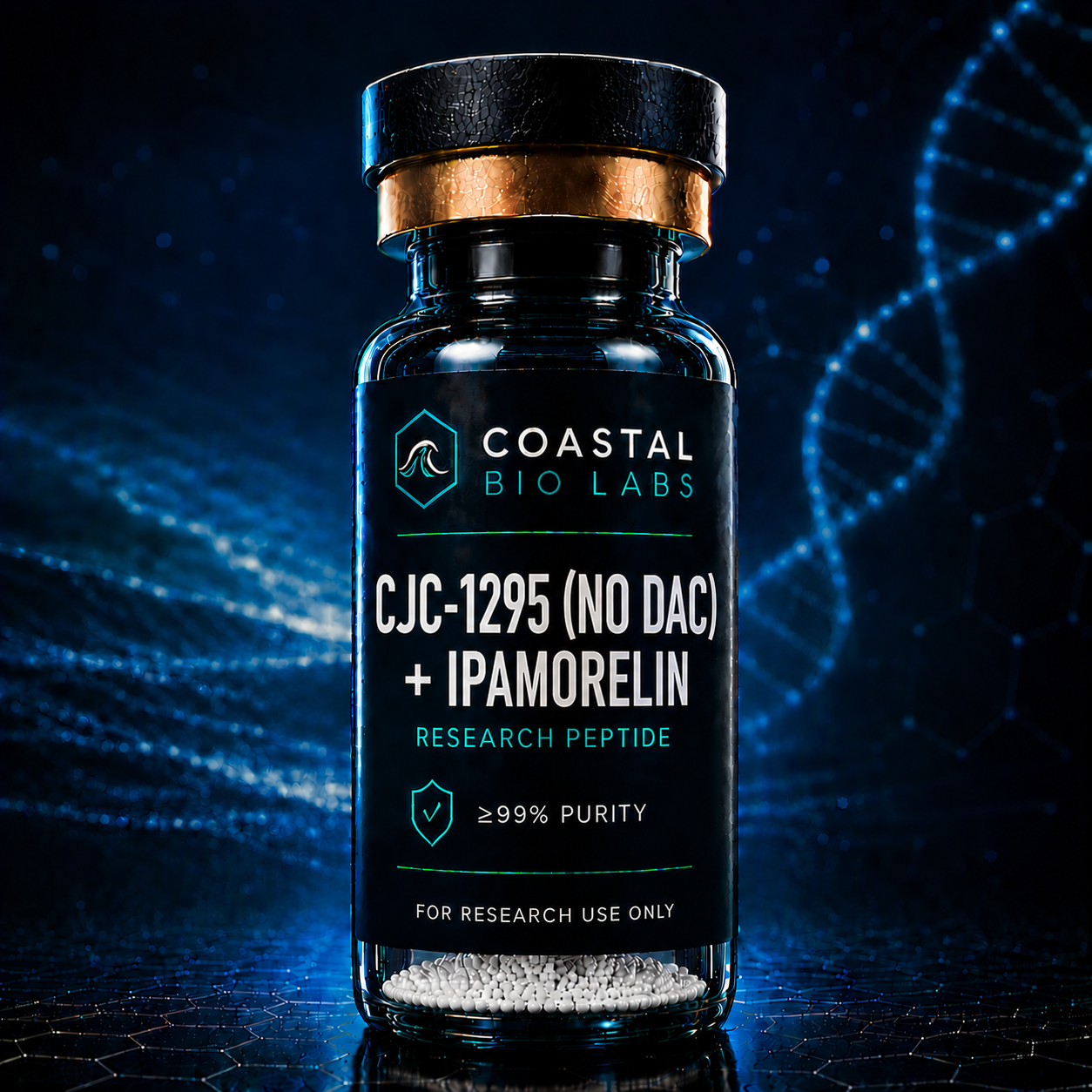
CJC-1295 is often discussed as a growth-hormone-releasing peptide (GHRP/related category) that may influence signaling through the growth hormone axis. Ipamorelin is another peptide commonly grouped with it because people take them together. The typical online framing is that the combination is meant to support growth hormone release patterns rather than act like classic androgenic agents.
The question “does CJC-1295 ipamorelin decrease testosterone?” comes up because the endocrine system is interconnected. When people alter growth hormone or downstream pathways, they naturally wonder if testosterone might follow. Also, many users start with a background concern: “If I mess with hormones, will I feel worse—sex drive, morning erections, energy, gym performance?”
Who it might fit best (cautiously):
- You’re healthy, generally understanding risk, and not dealing with known low testosterone or fertility concerns.
- You already tried lifestyle basics (sleep, calories, training consistency), and you’re using peptides as an experiment—not a first-line fix.
- You have a way to track outcomes (simple logs, and ideally labs with a clinician).
Who it might not fit best:
- You’re trying to restore hormones after a known suppression event.
- You’re under medical treatment that affects hormones.
- You want certainty—because with CJC-1295 ipamorelin, you can’t get it.
Practical Benefits and Where It Falls Short
In consumer communities, people often associate CJC-1295 ipamorelin with improved sleep quality, faster perceived recovery, and sometimes changes in appetite or body composition. However, those are broad outcomes influenced by training load, caloric intake, stress, and sleep consistency—so it’s hard to attribute a change solely to CJC-1295 ipamorelin.
Personal experience case (positive, cautious tone): One 23-year-old male I spoke with (no medical background; trained 4–5 days/week) used CJC-1295 ipamorelin for a short, controlled trial. He tracked bedtime, wake time, training soreness (1–10), and gym intensity. Within about 8–10 days, he reported slightly deeper sleep and less “morning grogginess,” plus soreness seemed to clear faster after leg day. He did not report a noticeable drop in libido or morning erections during that window. The big caveat: he also improved meal timing and kept alcohol to near zero for two weeks, which could easily affect energy and perceived recovery. He ultimately continued briefly because he felt “normal,” not because he believed it guaranteed testosterone gains.
Negative case (where it felt like it might be affecting hormones): Another user (21 years old) described a different pattern. Around days 5–7 of CJC-1295 ipamorelin, he started noticing headaches and a “flat” mood. He also said his libido felt less spontaneous, even though he wasn’t sure if it was from stress or the peptides. He tested his assumptions the way careful reviewers should: he paused, corrected sleep, and didn’t stack anything else. After stopping, the headaches reduced and libido “felt more like himself” over a few days. He didn’t get lab confirmation either way. But his experience is a real consumer reminder: when someone asks “does CJC-1295 ipamorelin decrease testosterone?” sometimes what they’re really measuring is subjective hormone feeling—energy, sex drive, and mood—and those can change even if testosterone doesn’t “crash” in a measurable way.
What Research Suggests and What It Doesn't
On the research side, you’ll find limited studies and a lot of uncertainty. The central issue with “does CJC-1295 ipamorelin decrease testosterone?” is that testosterone outcomes depend on dose, duration, baseline hormone status, and how the peptide influences signaling in a given person. Many online claims are extrapolated from related peptide mechanisms or animal/in vitro work. That’s not the same as “proven in humans for your exact use case.”
What the evidence supports (in a limited way):
- Peptides in this family are discussed as affecting growth hormone release patterns or downstream pathways.
- Hormone systems can shift when you change one axis, so monitoring is logical.
What the evidence does not establish clearly:
- That CJC-1295 ipamorelin consistently lowers testosterone across users.
- That any “testosterone decrease” effect happens at typical consumer doses and in real-world conditions.
- Long-term safety at the way enthusiasts cycle or self-administer peptides.
Risks to take seriously: Even if testosterone isn’t the main target, endocrine-active products can still cause side effects. Common “consumer warning” themes include headaches, water retention feelings, tingling sensations, and mood changes. Sexual side effects matter too: reduced libido, changes in erectile quality, or a “not the same” feeling are reasons to stop and reassess. If you’re wondering whether CJC-1295 ipamorelin decreases testosterone, also consider that symptoms can reflect something else (sleep changes, stress, blood sugar shifts, or just a bad fit for your body).
Ingredients, Formats, and Quality Signals
For a product-focused review, the key question is not only “is it CJC-1295 and ipamorelin?” but “what exactly did I receive, how was it made, and how credible is the quality control?”
Typical product forms people buy:
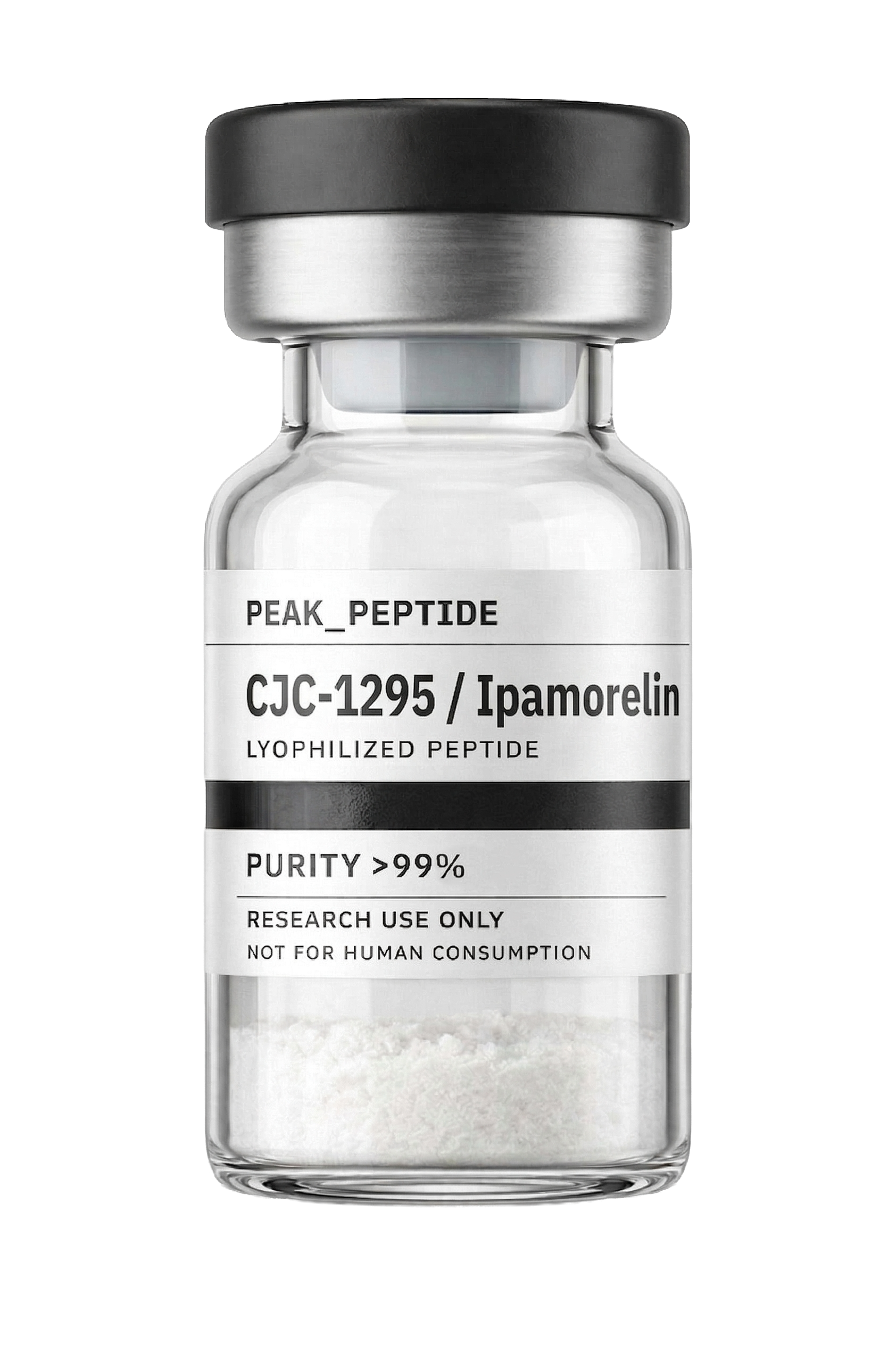
- Lyophilized (freeze-dried) vials requiring reconstitution with bacteriostatic water or a similar diluent.
- Pre-mixed or dual-compound kits (often one vial for CJC-1295 and another for ipamorelin, depending on brand).
- No-DAC variants are commonly discussed for specific pharmacology expectations; labeling can vary.
Common ingredient components (non-exhaustive):
- Active peptide (CJC-1295) as labeled.
- Active peptide (ipamorelin) as labeled.
- Diluents are usually separate items (depending on the vendor).
Quality standards and signals to look for:
- Third-party testing availability (CoA) that matches the batch number on the vial.
- Clear labeling of concentration (mg per vial) and how to calculate dosing.
- Storage guidance (refrigeration/freeze guidance) and shelf-life transparency.
- Brand transparency about manufacturing and verification.
If you’re trying to answer “does CJC-1295 ipamorelin decrease testosterone?” the surprising practical truth is that quality issues can muddy everything. Impurities, incorrect concentrations, or inconsistent dosing can cause symptoms you might incorrectly attribute to testosterone suppression.
YouTube (watch for educational context):
Comparison of Common Options
Below is a consumer-style comparison of common ways people buy or structure CJC-1295 ipamorelin usage. It’s not medical advice, and “typical” varies by vendor and community guidance. Use this mainly to understand tradeoffs when you ask “does CJC-1295 ipamorelin decrease testosterone?” because dose and form can influence side-effect patterns.
| Format | Typical Dose/Use | Pros | Cons | Cost | Best For |
|---|---|---|---|---|---|
| CJC-1295 (No-DAC) + Ipamorelin dual vials kit | Commonly used as a short daily trial; exact mg varies by plan | Easier to follow a combined routine; popular for “first-time” experiments | Harder to isolate which peptide caused any symptom; quality varies by vendor | Usually mid-range | People focused on tracking subjective outcomes (sleep/recovery/libido) |
| CJC-1295 only (single peptide) | Often trialed daily or per plan community guidance | More control for side-effect attribution | Less “two-peptide synergy” structure; still not guaranteed results | Variable; sometimes cheaper per month | People who want to reduce variables when asking about testosterone symptoms |
| Ipamorelin only (single peptide) | Often used in a daily routine; mg varies | Simpler tracking; easier to judge libido/energy changes | May not match the exact expectations set by combo users | Variable; depends on concentration | Users who want a cautious approach to hormone-adjacent experimenting |
| Higher-strength vials (e.g., 5 mg each) with careful reconstitution | Requires precise measuring; “less frequent vial handling” | Potentially easier to manage supply; can reduce prep repetition | If your measurement is off, your dose error is bigger | Often mid to higher upfront cost | People who already understand reconstitution math and dosing syringes |
| Stacked “growth-support” blends (multiple peptides) | Often complex schedules; frequently multiple actives | Marketed as “comprehensive” | Most likely to confuse the answer to “does CJC-1295 ipamorelin decrease testosterone?” because symptoms can come from anywhere | Usually highest | Experienced experimenters, not first-time hormone-adjacent users |
Buying Framework and Red Flags
If you’re going to buy CJC-1295 ipamorelin, use a framework. The goal is simple: reduce uncertainty so you can actually interpret what happens to your body (including whether CJC-1295 ipamorelin decreases testosterone-like symptoms such as libido changes).
Checklist (use this before you purchase):
- CoA exists: Look for batch-specific third-party test results.
- Clear dosing math: Vendor explains concentration and how to calculate mg per unit volume.
- Storage instructions: Not vague; includes how to store and for how long after reconstitution.
- No “guaranteed testosterone” claims: If a site claims certainty, treat it as a red flag.
- Transparent ingredients: Active peptide list should match the product description; no mysterious extras.
- Reasonable refund/support: At minimum, a real company policy.
- Compatibility awareness: If you take other supplements/meds, verify interactions with a qualified clinician.
Common Mistakes and How to Avoid Them
Mistake 1: Starting too fast or changing multiple variables. If you want to know whether CJC-1295 ipamorelin decreases testosterone-like symptoms, don’t adjust sleep, calories, training, and supplements all at once. You won’t know what caused what.
Mistake 2: Ignoring libido/erection tracking. Many people only track workouts and scale weight. For the testosterone question, track subjective sexual wellbeing and morning energy consistently (even a simple 1–5 score daily helps).
Mistake 3: Not having a stop rule. Decide ahead of time: “If I get headaches, mood drop, or libido changes that persist for X days, I stop.” Waiting “to see” can turn a manageable side effect into a longer recovery period.
Mistake 4: Assuming “no symptoms” equals “no hormone impact.” Some endocrine shifts are subtle. The consumer-friendly approach is: symptoms + labs if possible.
Mistake 5: Stacking with other hormone-adjacent supplements. If you combine CJC-1295 ipamorelin with multiple endocrine-active products, you’re basically asking the wrong question—your body doesn’t know which ingredient caused the response.
FAQ
Is it proven that CJC-1295 ipamorelin decreases testosterone?
It’s not established as a proven, consistent testosterone-decreasing effect in public human evidence. What is “proven” is more limited than online forums make it sound, and individual responses vary. If your question is specifically about measurable testosterone, the most reliable route is appropriate labs with a clinician—not assumptions.
How long does it take for CJC-1295 ipamorelin to affect libido or testosterone-like symptoms?
Consumer reports often describe noticing changes within the first week (sometimes sooner), but that’s subjective timing. If you’re monitoring whether CJC-1295 ipamorelin decreases testosterone-like symptoms, a cautious 2-week observation window with consistent tracking is a practical start. Persistent or worsening changes are a reason to stop and reassess.
What side effects have people reported with CJC-1295 ipamorelin?
Commonly discussed side effects include headaches, water retention feelings, mood changes, and changes in sleep or energy. Some users also report libido shifts. If you experience symptoms that feel hormonal or concerning (especially sexual side effects), treat that as meaningful data and consider stopping.
Can CJC-1295 ipamorelin combine with other supplements or testosterone boosters?
Combining increases uncertainty. If you’re trying to answer “does CJC-1295 ipamorelin decrease testosterone?”, mixing with other hormone-adjacent products makes it harder to attribute changes. A safer consumer approach is to keep the stack minimal during your experiment, and discuss with a clinician if you’re on any prescription meds or have hormone-related conditions.
Is oral CJC-1295 ipamorelin different from injection/alternatives in terms of testosterone decrease risk?
Most commonly discussed CJC-1295 and ipamorelin use is injection or peptide vial administration. “Oral” alternatives are often marketing language around different compounds, formulations, or research chemicals, and they aren’t automatically equivalent. In terms of “testosterone decrease,” there’s no simple guarantee by route alone—dose accuracy, purity, and the specific compound matter more. If you’re choosing between injection vs “oral,” you’re changing variables; track symptoms and quality signals accordingly.
A Practical 2-Week Experiment Framework
This section is for learning your body, not chasing guarantees. If your main fear is “does CJC-1295 ipamorelin decrease testosterone,” your experiment should prioritize hormone-adjacent signals: energy, libido, and mood—along with basic health markers.
Before you start (Day 0):
- Write baseline notes: sleep hours, morning energy (1–10), libido/spontaneity (1–10), workout performance, and mood.
- Pick one training week to keep consistent (don’t add new PR goals).
- Keep the supplement stack simple (avoid adding multiple new products during the trial).
During the trial (Days 1–14):
- Track daily: sleep quality, headache or unusual side effects, libido score, and mood score.
- Take consistent photos only if you want them, but don’t over-interpret scale changes in 14 days.
- Stick to the plan you chose—don’t “chase” results by rapidly changing dose.
- Use a stop rule: if sexual side effects persist or worsen, or if headaches/mood changes become strong, stop and reassess.
After the trial (Day 15–17):
- Compare baseline vs trial: Did energy or libido drop? Did mood become flat? Did sleep improve?
- If symptoms are unclear, consider pausing longer and then re-checking baseline habits (sleep/caffeine/alcohol).
- If you want clarity, lab work through a clinician is the best way to move from “review feelings” to data.
Failure-case thinking (important): If you run this experiment and feel “off” (like in the negative case above), treat that as evidence that CJC-1295 ipamorelin may not be a good fit for your physiology right now. That’s not a personal failure; it’s how cautious consumer testing works.
About the Author
Harbor Nutrition Reviews is a pseudonymous review writer who focuses on evidence-aware fitness and supplement experimentation. The author has personally documented several 2–6 week trials in the training niche (sleep/recovery tracking, consistent workout logs, and side-effect monitoring) and uses a “consumer review” format that emphasizes what changed, how quickly, and when they stopped. The author does not claim medical qualifications.
Disclaimer: This article is for general informational purposes only. It does not diagnose, treat, cure, or prevent disease, and it’s not a substitute for professional medical advice. If you’re worried about hormone changes—including whether CJC-1295 ipamorelin decreases testosterone—consider speaking with a qualified clinician, especially if you have prior hormone conditions, fertility concerns, or you take prescription medications.
Discussion